

If you hold a Work Safely at Heights ticket, there is a question that comes up on almost every site induction: how old is your certificate? In Australia there is no law that puts a hard expiry date on the RIIWHS204E unit, yet most principal contractors, mine sites and shutdown crews will turn you away if your training is more than two years old. That gap between what the law says and what a site actually accepts is where workers get caught out.
This guide explains exactly when you need to renew your working at heights training, why the two-year benchmark exists, what a refresher course covers, and how to keep your certification current so you never lose a day of work over an out-of-date ticket.
Key Takeaways
- The RIIWHS204E Work Safely at Heights unit has no legislated expiry date in Australia.
- Industry best practice, supported by the Working at Height Association, is to complete a refresher every two years.
- Most construction, mining and resources sites will not accept a working at heights ticket older than two years for site access.
- A refresher reconfirms your competency in fall prevention, PPE inspection and rescue planning under the current standards.
- Height safety equipment such as harnesses and lanyards must be inspected separately under AS/NZS 1891.4, regardless of when you last trained.
- Host Safety and Training delivers Work Safely at Heights (RIIWHS204E) as a one-day nationally recognised course in Queensland and the Northern Territory, and on-site by arrangement.
Does a Working at Heights Ticket Expire?
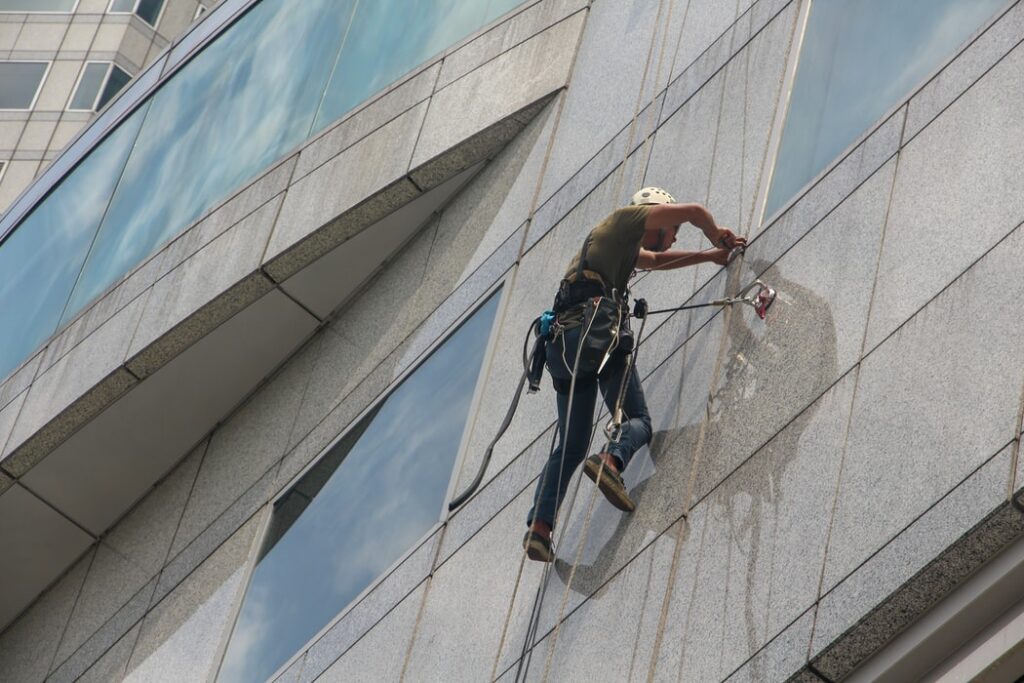
Strictly speaking, no. The RIIWHS204E Work Safely at Heights unit of competency is listed on the national training register without a statutory expiry period. Once you are assessed as competent, the Statement of Attainment you receive does not legally lapse.
That is the technical answer, and it is also where the confusion starts. A Statement of Attainment proving you were competent in 2021 says very little about whether you are competent today. Standards change, equipment changes, and skills fade when they are not used. For that reason, the industry treats working at heights certification as something that needs to be kept current rather than earned once and forgotten.
So while your ticket never technically expires, it does go stale in the eyes of the people who control site access. The practical expiry date is the one your employer, the principal contractor or the site safety officer applies, and that date is almost always two years from the day you trained.
When Do You Actually Need to Renew?
There are four common triggers that mean it is time to book a working at heights refresher.
Your certificate is approaching two years old
This is the big one. The Working at Height Association and the broader safety industry recommend refresher training every two years to maintain competence. A large share of construction sites, mine sites and resources projects build that two-year rule directly into their site access requirements, and many insurers expect it too. If your ticket is creeping up on its second birthday, renew before it lapses rather than after you have been knocked back at the gate.
A site or contractor demands a current ticket
Some principal contractors and high-risk sites run stricter policies than the two-year benchmark and ask for annual refreshers. Others want to see a ticket dated within a specific window before they will issue a site pass. If you move between projects or labour-hire placements, the safest approach is to keep your training current to the strictest standard you are likely to encounter, not the most relaxed.
You are returning to height work after time away
If you have spent a year or two in a role that did not involve working at heights, your practical skills will have softened even if your paperwork is technically valid. Coming back to roof work, scaffolding, elevated platforms or tower work after a long break is a clear signal to refresh before you clip on.
Equipment, procedures or standards have changed
Fall protection systems, anchor design and rescue procedures evolve. If your workplace has introduced new harnesses, new anchor points or a revised rescue plan since you last trained, a refresher brings you back in step with how the job is actually done now.
Why Two Years Became the Industry Standard
The two-year interval is not arbitrary. It reflects how quickly height safety competency degrades when it is not regularly practised, and it lines up with the inspection and review cycles that already run across high-risk industries.
Working at heights is consistently among the leading causes of workplace fatalities and serious injury in Australia, particularly in construction. Regulators expect a person conducting a business or undertaking to manage the risk of falls actively, not to rely on a one-off training event from years earlier. A regular refresher is the simplest evidence a business can show that its workers remain competent and that the duty to manage fall risk is being taken seriously.
There is also a documentation angle. When a safety auditor or insurer reviews a site, current training records are an easy first thing to check. A workforce with fresh tickets signals a well-run safety system; a stack of expired certificates signals the opposite.
What a Working at Heights Refresher Covers
A refresher is not simply a re-print of your old certificate. It reassesses you against the same competency standard as the full course, with the emphasis on confirming that your knowledge and practical skills are current. Expect to cover:
- Identifying work-at-height hazards and assessing the risk of a fall.
- Applying the hierarchy of control to eliminate or minimise fall risk before relying on equipment.
- Selecting, fitting, inspecting and caring for personal fall protection equipment and PPE.
- Identifying and checking fall protection systems, anchor points and their correct installation.
- Planning for emergencies, including how a fallen worker will be rescued.
- Completing the documentation that supports safe work at heights.
Because the assessment standard is the same, a refresher delivered by a registered training organisation results in a fresh, nationally recognised Statement of Attainment for RIIWHS204E, not a lesser credential.
Training Currency Versus Equipment Inspection

It is worth clearing up a common mix-up. Renewing your training is a separate obligation from inspecting your height safety gear, and keeping one current does not cover the other.
Under AS/NZS 1891.4, the standard covering the selection, use and maintenance of industrial fall-arrest systems, harnesses, lanyards and associated equipment must be inspected by a competent person on a regular schedule, commonly every six months, and taken out of service after any fall. Your training ticket can be perfectly current while your harness is overdue for inspection, or the reverse. Both have to be managed. A refresher course is a good prompt to also review your equipment inspection records and confirm nothing is past due.
Who Needs to Keep Their Heights Ticket Current?
Anyone whose work exposes them to a risk of falling needs current working at heights training. The unit is written for the resources and infrastructure industries, but the same skills apply across the board. That includes:
- Construction and trades workers operating two metres or more above ground level.
- Maintenance and facilities personnel working on roofs, plant and elevated structures.
- Mining and resources workers on processing plants, silos and elevated walkways.
- Telecommunications and tower technicians.
- Riggers, scaffolders and elevated work platform operators.
Even where a fall risk seems minor, the obligation to manage it does not disappear, and a current ticket is the cleanest way to show every worker on the job is competent.
Refresher Course or Full Course: Which Do You Need?
If you hold a previous Work Safely at Heights Statement of Attainment and your skills are broadly intact, a refresher is the efficient choice. It confirms your competency against the current standard in a shorter, focused session and issues a new ticket.
If you have never formally trained in working at heights, if your certification is many years old, or if your practical skills have lapsed significantly, the full RIIWHS204E course is the right starting point. It builds the competency from the ground up rather than assuming a working baseline. When you are unsure which applies to you, a quick conversation with the training provider will sort it out before you book.
How to Renew Your Working at Heights Training
Renewing is straightforward. Choose a registered training organisation that delivers RIIWHS204E, confirm whether a refresher or the full course suits your situation, and book a date. On the day you will need government-issued photo identification, a valid Unique Student Identifier, and the right gear for practical work, typically long pants, a long-sleeved shirt, safety boots, safety glasses and sun protection.
Host Safety and Training delivers Work Safely at Heights as a one-day, face-to-face nationally recognised course at its Caloundra and Gladstone campuses in Queensland, its Darwin training facility in the Northern Territory, and on-site at your workplace by arrangement anywhere in Australia. For crews who also need rescue capability, Host runs Vertical Rescue training that builds on height safety skills with rope-based rescue competencies. Keeping a team current is often most efficient as a group booking delivered on-site, which avoids travel and downtime.
Refresher Formats, Entry Requirements and Fees
Refresher delivery is flexible, and the format of your heights refresher course affects both the time involved and the fees. A face-to-face course remains the most common option and is what most sites expect, because the practical skills have to be demonstrated in person. Some providers offer a heights online refresher for the theory component, which participants complete with internet access before attending a shorter practical session, and a refresher can run in as little as a half day where prior competency is simply being reconfirmed.
Course fees vary depending on the provider, the chosen format and whether you book as an individual or a group, so confirm the entry requirements and the finer details before you enrol. Be cautious of online courses that promise a heights ticket with no practical assessment at all, as these will not satisfy a genuine qualification. Whatever the format, participants should still expect to complete a hands-on assessment to refresh the full unit.
Meeting Employer and WHS Compliance Requirements
For most employers, a current ticket is about more than personal safety; it is how they ensure compliance with their legal duties. Australian WHS legislation and the supporting WHS regulations require businesses to manage the risk of falls, and a documented risk assessment alongside current training is how they evidence it. Meeting recognised safety standards through regular refresher training is the simplest way to ensure compliance across a workforce.
Because employers require workers to meet site-specific requirements, and many employers across construction, mining and related industries set their own refresher cycles, it is critical to confirm what your employer requirements are before each job. Keeping a team current also ensures staff retain the ability to carry out tasks safely and remain suitable for the roles they hold, which is exactly what the regulations are designed to achieve.
Your Statement of Attainment, Wallet Card and Funding Options
On successful completion of your refresher you receive a nationally recognised Statement of Attainment and wallet card, a convenient proof of your qualification to carry on site. This attainment issued at completion is what lets you continue working safely at height without interruption to your work.
Where cost is a concern, it is worth asking about funding options, as eligible construction workers in Queensland may be able to access subsidised training through industry funding partnerships. Workers who also enter enclosed areas often pair their heights refresher with confined space training so both credentials stay current at the same time.
Frequently Asked Questions
How often do I need to renew my working at heights ticket?
There is no legislated renewal period for the RIIWHS204E unit, but the industry standard is to complete a refresher every two years. Many sites enforce this as a condition of access, and some require annual refreshers, so always check the specific site requirement before you start work.
Does the RIIWHS204E Work Safely at Heights unit expire?
No. The unit has no statutory expiry date, and your Statement of Attainment does not legally lapse. In practice, however, most construction, mining and resources sites will not accept a working at heights ticket that is more than two years old.
What happens if my working at heights certificate is out of date?
Your certificate remains legally valid, but you are likely to be refused site access until you complete a refresher. Out-of-date training also undermines a workplace’s evidence that its fall-risk duties are being met, which is why most employers insist on current tickets.
Is a refresher course shorter than the full course?
A refresher is focused on reconfirming existing competency, so it is generally more efficient than completing the full course from scratch. It is still assessed against the same national competency standard and issues a fresh, nationally recognised Statement of Attainment.
Does renewing my training cover my harness and equipment inspections?
No. Training currency and equipment inspection are separate obligations. Harnesses, lanyards and fall-arrest equipment must be inspected by a competent person under AS/NZS 1891.4 on their own schedule, commonly every six months and after any fall, regardless of when you last trained.
Can I do my working at heights refresher on-site?
Yes. Host Safety and Training can deliver Work Safely at Heights at your workplace by arrangement, which is often the most practical option for keeping a whole crew current without travel or lost production.
Keep Your Ticket Current, Keep Working
The rule worth remembering is simple: your working at heights ticket does not expire by law, but it expires on site after about two years. Renewing on a two-year cycle keeps you compliant with the standard most workplaces enforce, keeps your fall-protection skills sharp, and means you never lose a shift because your certificate is out of date. If your ticket is approaching the two-year mark, book your Work Safely at Heights refresher with Host Safety and Training before your next site induction puts you on the spot.