
If your work takes you into tanks, pits, silos, pipes, vessels or any enclosed area with restricted entry, you need nationally recognised confined space training before you go in. In Queensland, the most common question workers and employers ask is a simple one: what does it actually cost? The honest answer is that confined space training is not a single price but a small family of courses, and what you pay depends on which units you need and how you book them.
This guide breaks down confined space training course costs in Queensland, explains what each course covers, and shows where the money goes so you can budget accurately for yourself or your crew.
Key Takeaways
- Confined space training in Queensland is GST-free and typically ranges from around $185 to $900 per course depending on the unit.
- The core entry course, RIIWHS202E Enter and Work in Confined Spaces, is the starting point for most workers.
- Gas Test Atmospheres (MSMWHS217) is often booked alongside confined space entry and is the most affordable single unit.
- Advanced worker and confined space rescue courses cost more because they run longer and cover higher-risk competencies.
- Group, corporate and on-site bookings are quoted separately and usually work out cheaper per head.
- Host Safety and Training delivers confined space courses at its Caloundra and Gladstone campuses in Queensland and its Darwin training facility in the Northern Territory, and on-site by arrangement.
What Does Confined Space Training Cost in Queensland?

Across Queensland providers, individual confined space entry training generally falls somewhere between roughly $200 and $500 per person, and because it is nationally recognised vocational training, it is GST-free. The spread is wide because providers bundle different inclusions, run different course lengths, and price group bookings differently from single seats.
Rather than quoting a single figure, it is more useful to look at confined space training as a set of stackable courses. A first-time worker usually needs the entry unit. Workers in higher-risk roles add gas testing and advanced units. Dedicated rescue personnel complete the rescue course on top. Your total cost is simply the sum of the courses your role requires.
Confined Space Course Costs at Host Safety and Training
Here is how the individual public course fees break down at Host Safety and Training. All fees are per person and GST-free.
- Enter and Work in Confined Spaces (RIIWHS202E) — $330. The core half-day entry course, covering safe entry, work and exit. This is where most workers start.
- Gas Test Atmospheres (MSMWHS217) — $185. A half-day course on testing the atmosphere of a confined space for oxygen, flammable and toxic gases. The most affordable unit and a common pairing with entry.
- Confined Space Entry – Advanced Worker, 2nd Day — $270. A one-day course building on the entry unit with permit, risk and higher-level competencies for workers in more demanding roles.
- Confined Space Rescue — $900. A two-day course covering rescue operations, confined space rescue and hazardous materials awareness for dedicated rescue personnel and emergency response team members.
Booking the entry course and gas testing together is the most common combination for general confined space workers, while supervisors, standby personnel and rescue teams progress through the advanced and rescue courses as their responsibilities require.
What Drives the Price of Confined Space Training?
Several factors explain why one confined space quote differs from another. Understanding them helps you compare like with like.
Course length and depth
A half-day entry or gas testing course costs less than a one-day advanced course, which in turn costs less than a two-day rescue program. Longer courses use more trainer time, more equipment and more consumables, and they cover higher-risk competencies that demand more practical assessment.
Individual versus group booking
Public course fees are set per seat. When a business books a whole group, the per-person cost usually drops, and on-site delivery removes travel and accommodation from the equation. If you are training more than a handful of people, a group quote almost always beats booking individual seats.
On-site versus campus delivery
Training delivered at a provider’s campus carries a standard per-seat fee. On-site delivery at your workplace is quoted on its own because it factors in trainer travel and equipment transport, but it saves your team’s travel time and lets them train in a familiar environment.
Combining units
Stacking related units on the same day, such as confined space entry with gas testing, is more efficient than booking them separately, and providers frequently price combined bookings more keenly than the sum of the individual fees.
What You Get for the Money
Confined space training is not just a tick-box exercise. The fee covers nationally recognised training delivered by a registered training organisation, hands-on practical work with real confined space equipment, and assessment against the relevant competency standard. On successful completion you receive a nationally recognised Statement of Attainment for each unit, which is what sites and employers across Australia accept as proof of competency.
That national recognition is the value. A cheaper course that is not nationally recognised, or that skimps on practical assessment, will not get you through a site induction, so the lowest sticker price is rarely the best value.
Why Confined Space Training Is Required in Queensland
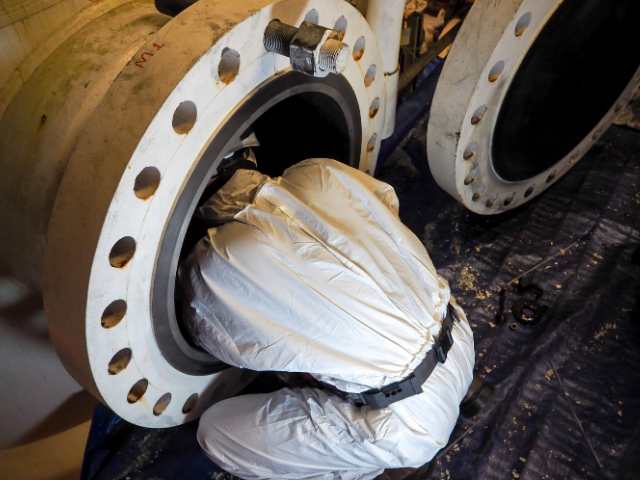
Confined spaces are among the most dangerous environments a worker can enter. Atmospheres can be oxygen-deficient, contain flammable or toxic gases, or change without warning, and the restricted entry that defines a confined space also makes rescue difficult. These risks are why training is mandatory rather than optional.
Under the Work Health and Safety Regulation in Queensland, a person conducting a business or undertaking has specific duties around confined spaces, including risk assessment, entry permits, atmospheric monitoring and emergency procedures. The Australian Standard AS 2865 Confined spaces sets out the recognised approach to working safely in them. Nationally recognised training is how workers gain, and employers evidence, the competency these obligations require.
How Long Is Confined Space Training Valid?
There is no single legislated expiry date stamped on confined space units, but competency in confined space work is expected to be kept current. Industry practice, and many Queensland sites, treat refresher training on a regular cycle as a condition of access, commonly every twelve months for confined space and gas testing given how high the stakes are. Always confirm the specific refresher requirement for the site you are working on, and factor recurring refresher costs into your training budget rather than treating it as a one-off spend.
Who Needs Confined Space Training?
Confined space training applies across a wide range of Queensland industries. You are likely to need it if you work in:
- Construction and civil works involving pits, trenches, tanks or vessels.
- Mining and quarrying, where silos, bins and processing plant create confined spaces.
- Water, wastewater and utilities, where pipes, wet wells and chambers are routine.
- Manufacturing and processing, including tanks, hoppers and reaction vessels.
- Maintenance and shutdown work across any of the above.
Standby personnel, supervisors and rescue team members need higher-level training than general entry workers, which is reflected in the course they complete and the fee they pay.
How to Book Confined Space Training in Queensland

Booking is straightforward. Decide which units your role requires, choose a registered training organisation that delivers them in Queensland, and select a date. On the day you will need government-issued photo identification, a valid Unique Student Identifier and a completed health and fitness declaration, along with appropriate clothing for practical work.
Host Safety and Training delivers confined space entry, gas testing, advanced worker and confined space rescue courses at its Caloundra and Gladstone campuses in Queensland and its Darwin training facility at 252 Forrest Parade, Bellamack NT 0832, and on-site at workplaces across Queensland and the Northern Territory by arrangement. For employers training a crew, an on-site group booking is usually the most cost-effective way to get everyone certified at once. For a tailored quote on group, private or corporate bookings, the training team can put together a package based on the exact units your team needs.
What the Training Covers and How It Is Delivered
Each confined space unit describes the knowledge required and the practical skills to work safely, and these essential skills are taught through a blend of classroom theory and hands-on practical activities. Courses are delivered with structured learning materials, and the practical components are where you demonstrate safe work practices and prove you can competently enter, work in and exit a space.
The units sit within the resources and infrastructure industries training package, so the knowledge and skills map directly to real site work. Duration ranges from a minimum of around four hours for a half-day unit up to two full days for confined space rescue, with the exact hours depending on which units you complete.
Enrolment, Pre-requisites and Payment Options
Before you enrol, check the pre-requisites for the available courses and confirm a start date and location that suit you. There is usually more than one payment option for individual, group and corporate bookings, so it is worth asking what works best for your situation.
To obtain your nationally recognised qualification you must successfully complete both the theory and the practical assessment. You cannot finish the practical in your own time, as it must be supervised and observed by an assessor. Note that confined space competency is expected to be kept current, with refresher cycles on many sites set anywhere from twelve months up to two years depending on the workplace.
Booking, Prior Learning and What to Expect
Your confined space ticket is issued once you complete the required units, and the course duration is short, with most public courses delivered each week at campus or on a workplace by arrangement. The entry requirements are straightforward, and the practical training is genuine hands on training, so be ready for physical practical tasks rather than classroom-only learning.
The subjects covered range from atmospheric hazards and gas detection through to entry permits, standby roles and emergency response. If you already hold relevant experience or earlier units, ask about recognition of prior learning, which may reduce what you need to complete to obtain your qualification.
Frequently Asked Questions
How much does confined space training cost in Queensland?
Individual confined space courses in Queensland generally range from around $185 for gas testing up to $900 for the two-day confined space rescue course, and all are GST-free. The core Enter and Work in Confined Spaces entry course is $330 per person at Host Safety and Training. Group and on-site bookings are quoted separately and usually cost less per person.
Is confined space training GST-free?
Yes. Nationally recognised vocational training, including confined space courses, is GST-free, so the advertised fee is the price you pay.
Do I need gas testing as well as confined space entry?
Many roles require both. The Gas Test Atmospheres unit (MSMWHS217) covers testing a confined space for oxygen, flammable and toxic gases, and it is commonly booked alongside the entry course. Whether you need it depends on your role and your site’s requirements.
How long does confined space training take?
The entry course and gas testing are each about half a day, the advanced worker course runs for one day, and confined space rescue is a two-day course. Booking related units together on the one day is a common and efficient approach.
How long is confined space training valid for?
There is no fixed legislated expiry, but competency must be kept current and many Queensland sites require refresher training on a regular cycle, commonly every twelve months. Always check the refresher requirement for the specific site you will be working on.
Can confined space training be delivered on-site?
Yes. Host Safety and Training can deliver confined space courses at your workplace across Queensland by arrangement, which is often the most cost-effective option for training a whole team and lets workers train in their own environment.
Budget With Confidence
Confined space training in Queensland is best understood as a set of stackable, nationally recognised courses rather than one fixed price. Match the units to your role, book related units together, and consider an on-site group booking if you are training a crew. To get an accurate, GST-free quote for confined space entry, gas testing, advanced worker or rescue training, contact Host Safety and Training and the team will scope the right package for your workplace.