
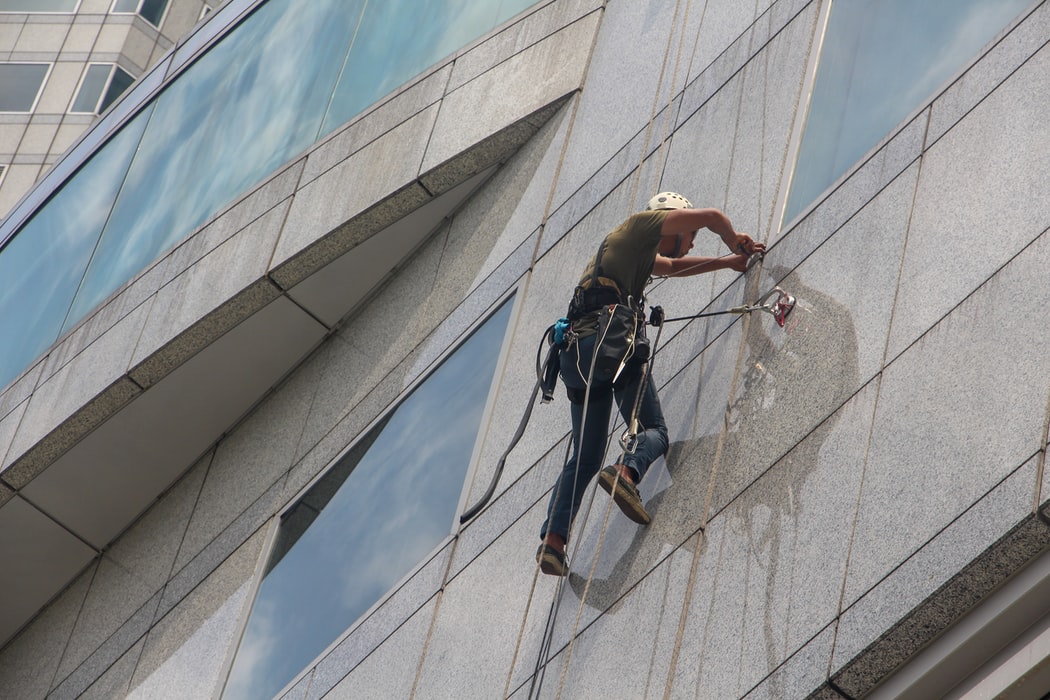
A working at heights ticket is one of the most widely requested safety credentials on Australian worksites. Whether you are chasing your first construction job, moving into mining or resources, or keeping a maintenance crew compliant, a current heights ticket is often the difference between walking onto site and being turned away at the gate. Yet there is a lot of confusion about what the ticket actually is, who needs it, what it costs and how long it lasts.
This guide answers all of it. It explains the nationally recognised unit behind the ticket, who is required to hold one, what the course covers, how to get certified, and how to keep your credential current so you stay job-ready.
Key Takeaways
- A working at heights ticket is the common name for the nationally recognised unit RIIWHS204E Work Safely at Heights.
- It applies to anyone exposed to a risk of falling, and most sites require it before you can work at height.
- The course is typically one day of face-to-face training combining theory and hands-on practical assessment.
- Entry requirements include photo ID, a valid Unique Student Identifier and a basic language, literacy and numeracy level.
- The unit has no legislated expiry, but industry best practice is a refresher every two years and most sites enforce it.
- Host Safety and Training delivers Work Safely at Heights for $260 per person from its Queensland campuses and Darwin (NT) training facility, and on-site Australia-wide by arrangement.
What Is a Working at Heights Ticket?

The term working at heights ticket refers to the nationally recognised unit of competency RIIWHS204E Work Safely at Heights. It sits within the Resources and Infrastructure Industry Training Package and describes the skills and knowledge needed to work safely where there is a risk of falling. When you complete it through a registered training organisation, you receive a nationally recognised Statement of Attainment, and that document is what people mean when they talk about your heights ticket.
It is worth being clear about what the ticket is not. It is not a licence issued by a government regulator in the way a high risk work licence is. It is a statement that you have been assessed as competent against a national standard. That distinction matters for renewals, which we cover below, but in day-to-day terms it functions exactly as a site expects a ticket to: proof you are trained to work at height.
Who Needs a Working at Heights Ticket?
The short answer is anyone whose work exposes them to a risk of falling. The unit is written for operational workers who perform tasks at height under known procedures, and the skills carry across nearly every industry that involves elevated work. You are likely to need one if you are a:
- Construction or trades workers operating two metres or more above ground level.
- Roofer, scaffolder or formworker.
- Maintenance or facilities workers accessing roofs, plant or elevated structures.
- Mining or resources worker on processing plants, silos, bins or elevated walkways.
- Telecommunications or tower technician.
- Elevated work platform operator or rigger working at height.
Even where a fall risk looks minor, the legal duty to manage it does not disappear, and a current ticket is the cleanest way for an employer to show every worker at height is competent.
Is a Working at Heights Ticket Legally Required?
Australian work health and safety law does not name the RIIWHS204E unit as a mandatory licence in the way it does for high risk work. What the law does require is that a person conducting a business or undertaking manages the risk of falls so far as is reasonably practicable. In construction work, specific controls are triggered where there is a risk of a fall, and the two-metre threshold is widely used as the point where fall protection becomes a clear requirement.
Nationally recognised training is the practical way businesses meet that duty. By having workers complete Work Safely at Heights, an employer can demonstrate that the people doing elevated work are competent, which is exactly why principal contractors and site managers insist on the ticket even though the legislation does not name it. In effect, the ticket is mandatory in practice across most of the industry, regardless of how the legislation is worded.
What Does the Work Safely at Heights Course Cover?

The course builds the full set of skills needed to plan and carry out work at height safely. Expect to cover:
- Identifying work-at-height requirements and the hazards that come with them.
- Assessing the risk of a fall and applying the hierarchy of control to eliminate or minimise it.
- Selecting, fitting, inspecting and caring for personal fall protection equipment and PPE.
- Identifying fall protection systems, anchor points and how they are correctly installed and checked.
- Accessing and performing work at height using safe systems and fall prevention techniques.
- Planning for emergencies, including how a fallen worker will be rescued.
- Cleaning up and completing the documentation that supports safe work at heights.
Training blends classroom theory with practical, hands-on assessment, because competency at height has to be demonstrated, not just described.
How Long Does the Course Take?
Work Safely at Heights is usually delivered as a single day of face-to-face training, around eight hours, covering both the theory and the practical assessment. That one-day format is the industry norm and is what Host Safety and Training runs. A focused refresher for those who already hold the unit can be more efficient, while someone who has never trained at height should plan for the full day.
Entry Requirements
To enrol in a working at heights course you generally need to provide:
- Government-issued photo identification at enrolment.
- A valid Unique Student Identifier (USI), which you can create for free online.
- A language, literacy, numeracy and digital literacy level at the Australian Core Skills Framework Level 2 minimum.
- A completed health and fitness declaration, since the practical involves physical tasks at height.
On the day, wear clothing suitable for practical work, typically long pants, a long-sleeved shirt, safety boots, safety glasses and sun protection. You also need to be physically able to perform the practical tasks and comfortable working at height.
How Much Does a Working at Heights Ticket Cost?
Across Australia, a one-day Work Safely at Heights course typically costs somewhere between around $160 and $300 per person, and as nationally recognised training it is GST-free. Host Safety and Training delivers the course for $260 per person. Funding is also available which can reduce this cost by up to 80%. Group, corporate and on-site bookings are quoted separately and usually work out more economical per head, which is the smart option when you need to certify a whole crew.
How Long Is a Heights Ticket Valid?
This is where the most confusion sits. The RIIWHS204E unit has no legislated expiry date, so your Statement of Attainment does not legally lapse. In practice, however, the industry treats a heights ticket as something that needs to be kept current. The Working at Height Association and broader best practice recommend a refresher every two years, and most construction, mining and resources sites will not accept a ticket older than that for site access. Some sites apply stricter annual refresher policies.
The practical takeaway is to renew on a two-year cycle even though the law does not force you to. It keeps your fall-protection skills sharp and ensures you are never knocked back at a site induction over an out-of-date ticket.
How to Get Your Working at Heights Ticket
Getting certified is a simple process:
- Choose a registered training organisation that delivers RIIWHS204E Work Safely at Heights.
- Confirm you meet the entry requirements and create your USI if you do not already have one.
- Book a course date, or arrange on-site delivery if you are training a group.
- Complete the one-day course, including the practical assessment.
- Receive your nationally recognised Statement of Attainment, which is your heights ticket.
From there, set a reminder to refresh in two years so your credential stays current.
Beyond the Basics: Vertical Rescue
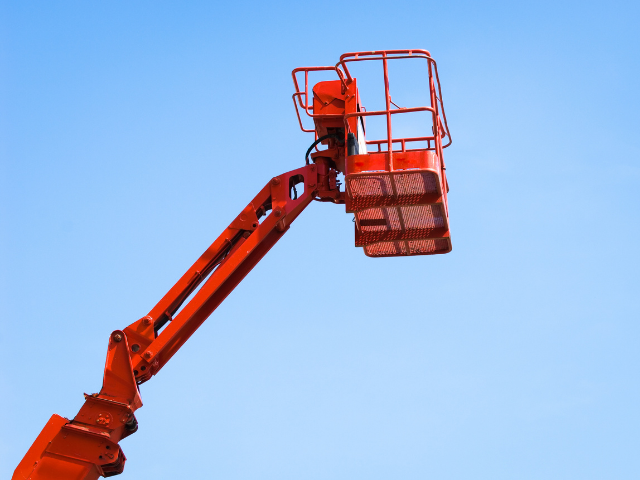
Working safely at height is the foundation, but some roles need more. Where teams work at height in remote or high-consequence environments, having trained rescuers on hand is essential, because a fall-arrest harness only buys time until someone can be brought down safely. Vertical rescue training builds on height safety skills with rope-based rescue competencies for retrieving a worker who has fallen or become stranded. If your operation carries that risk, it is worth pairing your heights tickets with dedicated rescue capability rather than relying on emergency services alone.
Online Versus Face-to-Face Training
Because Work Safely at Heights requires hands-on practical assessment, a fully online ticket is not the real thing. Theory components can sometimes be completed online, but the competency has to be demonstrated in person with real equipment, anchor points and fall-protection systems. Any genuine, nationally recognised heights ticket includes a face-to-face practical assessment, so be cautious of any offer that promises certification with no in-person component.
Fall Protection Skills You Will Learn
The course teaches both theory and practical skills, with the essential skills demonstrated hands-on. You learn to identify fall hazards and potential fall hazards, then select and fit the right safety equipment, including a fall prevention device, fall restraint and work positioning system, and to rig fall arrest systems correctly to anchor systems rated for the load. Where a fall cannot be eliminated, you learn how fall arrest systems and a safety net function as a last line of defence.
Personal protective equipment is covered in detail, from harnesses through to steel capped boots, along with hazard identification and the inspection routines that keep gear serviceable. The practical component is run by experienced trainers so you build genuine competence, not just theory.
Risk Management and Compliance on Site
Working at height is one of the most dangerous activities on any job, and a fall can cause serious injury or worse. The course shows you how a risk assessment and a safe work method statement, often called a SWMS, set out the control measures for a task, and how the hierarchy of control, including administrative controls, is used to minimise risks and protect workers. This is central to high risk construction work and to solid construction practice generally.
For construction workers and the wider construction industry, current certification is the certification needed to meet training requirements and site compliance. Employers carry specific duties to manage fall risk, and ensuring every worker has the right training and follows safe work procedures is how those duties are met.
Where the Ticket Applies and On-site Training Across Australia
A heights ticket applies wherever there is a fall risk, from elevated platforms and a scissor lift to a mine site and heavy industrial environments. Many workers pair it with related credentials such as confined spaces and gas testing, and roles in remote settings may also call for self rescue capability. The course fee is modest, and as nationally recognised training there is no GST adding to your out of pocket cost.
Host Safety and Training delivers Work Safely at Heights from its Caloundra and Gladstone campuses in Queensland and its Darwin training facility at 252 Forrest Parade, Bellamack NT 0832, and can bring training to a client’s site anywhere in Australia by arrangement, which suits employers running crews away from a campus. Wherever your team is based, on-site delivery puts a qualified trainer in front of them without the travel.
Frequently Asked Questions
What is a working at heights ticket called officially?
The official credential is the nationally recognised unit RIIWHS204E Work Safely at Heights. The ticket is the common name for the Statement of Attainment you receive on completing it.
Do I legally need a working at heights ticket in Australia?
The law does not name RIIWHS204E as a mandatory licence, but it does require employers to manage the risk of falls. Nationally recognised training is how that duty is met in practice, which is why almost all sites require the ticket before you can work at height.
How long does a working at heights ticket last?
There is no legislated expiry, but the industry standard is to complete a refresher every two years. Most sites will not accept a ticket older than two years, and some require annual refreshers.
How much does a working at heights course cost?
A one-day course typically costs between around $160 and $300 per person and is GST-free. Host Safety and Training delivers Work Safely at Heights for $260 per person, with group and on-site rates available on request.
Can I get a working at heights ticket online?
No genuine ticket is fully online. The unit requires a face-to-face practical assessment with real fall-protection equipment, so any nationally recognised course includes an in-person component even if some theory is completed beforehand.
How long does it take to get a heights ticket?
The course is usually a single day of around eight hours, covering theory and practical assessment. You receive your Statement of Attainment after successfully completing the assessment.
Get Job-Ready at Height
A working at heights ticket is straightforward to earn and, for most workers exposed to a fall risk, essential for getting and keeping work. Complete the one-day Work Safely at Heights course, keep it current with a refresher every two years, and add rescue capability if your role demands it. To book your nationally recognised heights ticket in Queensland or arrange on-site training for your team anywhere in Australia, get in touch with Host Safety and Training.