- 1300 631 011
- Email Us
- RTO No: 40772

Nationally recognised, expert-led safety training delivered across Queensland — 100% practical, small groups, and industry-current trainers.


Reserve your seat in an upcoming intake. Dates update live from our booking system — pick what suits and complete enrolment in minutes.
Host Safety and Training RTO (40772)
17 Industrial Avenue, Caloundra QLD 4551
Darwin NT · on-site by arrangement
Please note: This course is also available for delivery at the client’s site by arrangement. Please contact info@hostsafetytraining.com.au or call 1300 631 011 for information on upcoming course locations.
Live Availability
Choose a location, then scroll to browse dates
This training course provides students with the skills and knowledge required to safely operate breathing apparatus (BA) in a range of operational environments. It is designed for individuals who may be required to use breathing apparatus as part of emergency response, firefighting, or hazardous materials operations.
The course includes the following nationally recognised units of competency:
MSMWHS216 Operate breathing apparatus
PUAFIR207 Operate breathing apparatus 0pen circuit
PUAFIR210 prevent injury
NOTE: The following units of competency are pre-requisites for this course:
PUAFIR210 prevent injury is a pre-requisite unit for PUAFIR207 Operate breathing apparatus open circuit.Student must be deemed competent in the above pre-requisite unit in order to progress to the next stage of the course. Each stage, the units will be delivered in a logical sequence.Correctly fit, wear, and operate breathing apparatus in accordance with manufacturer and workplace procedures.
Demonstrate competency in using open circuit breathing apparatus in simulated operational conditions.
Identify potential hazards associated with breathing apparatus use and apply safety practices to prevent injury.
Work safely and efficiently in hazardous or emergency environments, including confined spaces, smoke-filled areas, or locations with hazardous atmospheres.
Conduct pre-use checks, basic maintenance, and post-use procedures on breathing apparatus to ensure ongoing safety and compliance.
Follow relevant workplace health and safety procedures, emergency response protocols, and industry standards while operating breathing apparatus.
Fee · delivery & assessment · training locations · entry requirements
This one-day, 8h per day, face-to-face course combines theory and practical training delivered by experienced trainers with current industry knowledge. Students will develop the skills and knowledge required to safely operate breathing apparatus, conduct pre-use checks and maintenance, prevent injury, and work effectively in hazardous or emergency environments.
Training is delivered in two sections:
The course uses a blended learning approach, combining face-to-face exercises, workplace simulations, and integrated knowledge assessments. This approach ensures students gain the competency, confidence, and practical experience required to safely operate breathing apparatus, apply workplace safety procedures, and respond effectively in hazardous or emergency environments.
Assessment is conducted by qualified assessors using a combination of tools and methods, in accordance with the principles of assessment (fairness, flexibility, validity, reliability) and the rules of evidence (valid, sufficient, current, authentic). Students will be assessed as either Competent or Not Yet Competent based on their performance against the unit requirements. Assessment methods may include:
Direct observation of practical skills
Verbal questioning to assess underpinning knowledge
Written responses to theory-based questions
Portfolio evidence, including completed workplace documents or work samples
A combination of the above methods
If you are assessed as Not Yet Competent (NYC), you will have the opportunity to be reassessed. You may contact Host Safety and Training (RTO 40772) to arrange your reassessment. A reassessment fee may apply.
Reassessment will focus only on the part of the assessment that was not successfully completed.
Reassessment must be completed within 60 days of the original assessment.
If the 60-day period lapses, the full assessment may need to be repeated.
Host Safety and Training RTO (40772) offers Recognition of Prior Learning (RPL) for students who can demonstrate prior skills and experience relevant to the course outcomes. Students may also be eligible for Credit Transfer (CT) for unit of competency they have previously completed through another Registered Training Organisation (RTO).
RPL and CT applications are assessed individually in accordance with our RPL/CT Policy and the requirements of the training package.
Student Handbook – Please refer to our student handbook for our policies and other relevant information.
Please contact info@hostsafetytraining.com.au for information on upcoming course locations.
Attend all scheduled training sessions and actively participate in both theory and practical components.
Follow all workplace health and safety procedures and instructions provided by trainers and assessors.
Complete all assessments honestly and in accordance with RTO policies.
Treat trainers, assessors, and fellow students with respect and professionalism.
Notify the RTO promptly if unable to attend or requiring additional support.
Maintain accurate records and documentation as required throughout the course.
To successfully complete the course, students must:
Participate in hands-on practical exercises, including fitting, operating, and maintaining breathing apparatus.
Demonstrate safe work practices and follow trainer instructions during all practical tasks.
Wear appropriate Personal Protective Equipment (PPE) as required for practical activities, including long-sleeve shirt or Hi-Vis vest, long pants, steel-capped boots, hard hat, and safety glasses.
Be physically capable of completing practical exercises, including working in simulated hazardous or confined environments.
Successfully complete all practical assessments to the required competency standard under trainer supervision.
Students are expected to follow all safety instructions, actively participate in practical activities, and demonstrate safe work practices throughout the duration of the course. Practical activities may include:
Students must also demonstrate psychological readiness, including the ability to:
Required attire for face-to-face training: Long pants, long-sleeved shirt, safety boots, safety glasses, and sun protection.
Students can access a comprehensive range of training support services, including learning assistance, LLND support, academic guidance, wellbeing support and referral services. Full details are in the HOST Student Handbook and Policies & Forms.
Students who successfully complete all training and assessment requirements of the course will be awarded a nationally recognised Statement of Attainment for the following units of competency, issued by Host Safety and Training (RTO 40772):
MSMWHS216 Operate breathing apparatus
PUAFIR207 Operate breathing apparatus open circuit
PUAFIR210 prevent injury
Trustindex verifies that the original source of the review is Google. I recently completed my Cert III in Emergency Response and Rescue through HOST and could not recommend them enough. The trainers were extremely helpful and knowledgeable in all areas, and the staff are super friendly.Posted on GoogleTrustindex verifies that the original source of the review is Google. I have recently gone through the Cert III Emergency Response and Rescue, throughout 4 weeks, I have thoroughly enjoyed each and every aspect of the training, all the trainers have been extremely helpful. Host have been able to cater to everyone and help utilise and improve our skills. All of the trainers have had a great teaching style and very helpful. I highly recommended this company to anyone very green to any industry.Posted on GoogleTrustindex verifies that the original source of the review is Google. I have recently done the Cert III Emergency Response and Rescue and enjoyed every moment of it! All of the staff and trainers at Host are super helpful and cater to everyone. Jordan Gover, the trainer I had for Vertical Rescue was especially great in his teaching style which was very interactive in theory and repetitive in the practical. Would highly recommend this company!Posted on GoogleTrustindex verifies that the original source of the review is Google. I completed a number of courses through HOST for a period of 4 weeks including the Cert 3 in Mines Emergency Response and Rescue and it was fantastic. The trainers are highly knowledgeable and the course is run smoothly. Simon made the experience much better, the course was great and would highly recommend HOST.Posted on GoogleTrustindex verifies that the original source of the review is Google. I recently completed my Certificate IV in Work Health and Safety with Host Safety and Training, and I couldn't be happier with my experience. From the very beginning, the team was helpful and responsive, making the entire process smooth and enjoyable. They were always available to answer questions and provide guidance, which made me feel fully supported throughout my course. The content was comprehensive and interesting. I highly recommend this providerPosted on GoogleTrustindex verifies that the original source of the review is Google. Recently completed the forklift course with Jordan Wardle. He was a great trainer and accesor. I highly recommend him for any course he runsPosted on GoogleTrustindex verifies that the original source of the review is Google. Would highly recommend HOST for all safety and rescue training 👍Posted on GoogleTrustindex verifies that the original source of the review is Google. A great place to get the education you need the trainers are well educated and keen to pass that knowledge on Thanks guys 🙂Posted on GoogleTrustindex verifies that the original source of the review is Google. We have used Host Safety and training for both of our Employees upskilling and training requirements as well as engaged with them to help with our clients project work. The team are very skilled and professional at what they do across both areas of expertise. We can highly recommend Host for both your Safety and Training needs.
HOST Safety and Training recognise that upskilling yourself and your team with nationally recognised qualifications is a smart investment.

This course is designed to give participants the knowledge and skills to operate elevating work platforms that are not classified as requiring a high-risk work (HRW) licence. After successfully completing this national-recognised course you will be trained and competent to operate; EWP (boom lift) under 11 meters and Scissor lift (up to any height)
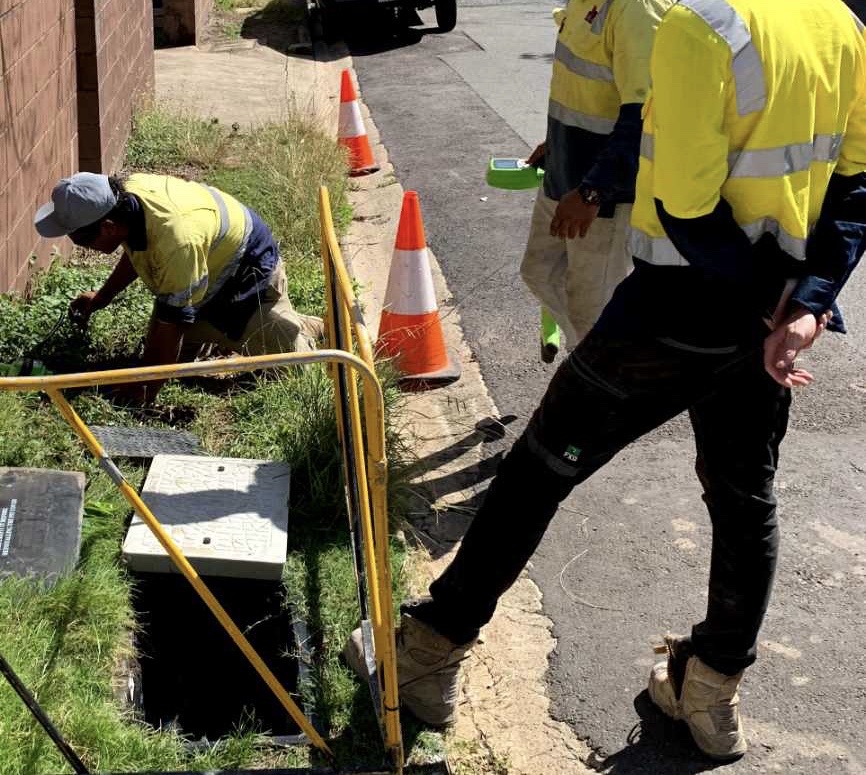
This training will teach the participant the skills and knowledge required to identify, locate and protect underground services in preparation of a site for construction operations; this includes searching for known or potential services or utilities which may exist under the surface of a specified excavation site.
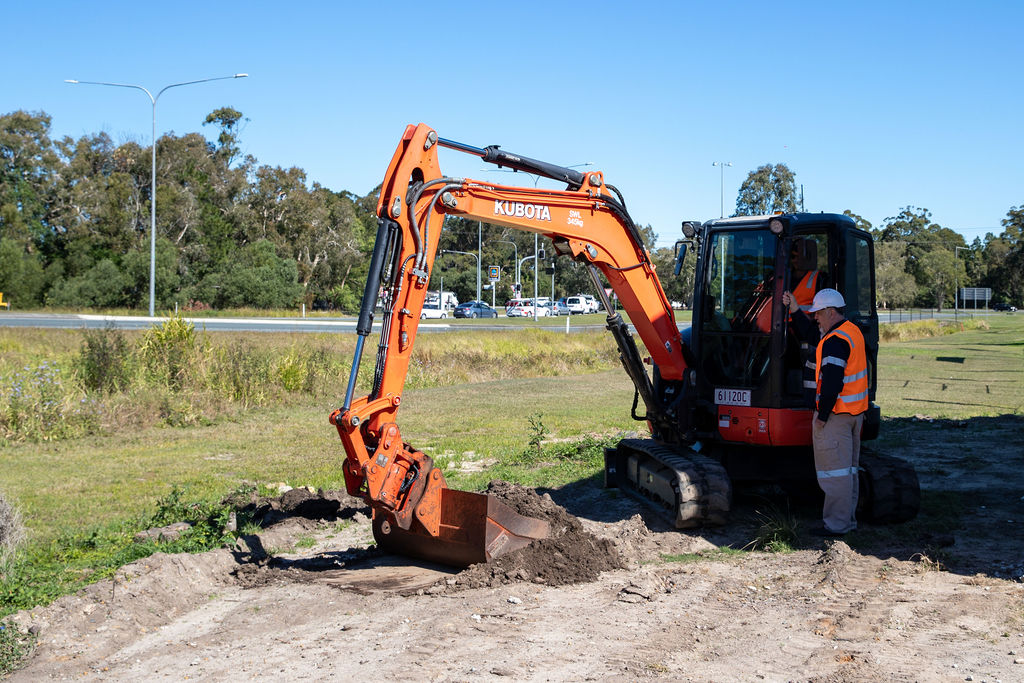
This unit describes the skills and knowledge required to operate excavator operations to lift carry and place materials and applies to those working in site-based roles.

This comprehensive training program integrates the nationally recognised units and PUASAR022 Participate in a rescue operation, PUASAR032 Undertake vertical rescue, HLTAID010 Provide basic emergency life support and PUAFIR210 Prevent injury. Providing students with the skills and knowledge to safely plan and perform rescue operations at height or in challenging environments. Through practical exercises and scenario-based training, students learn to use rescue equipment, work effectively in teams, assess risks, and respond confidently to emergencies.
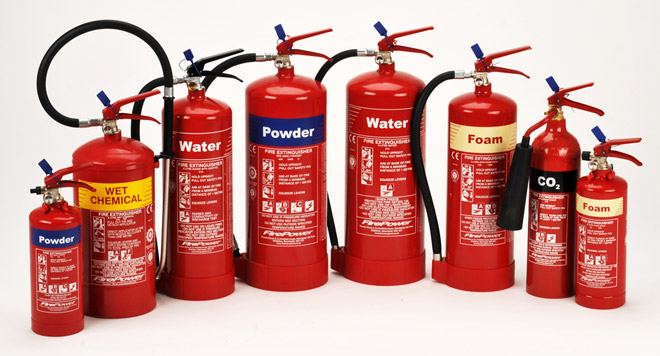
This unit of competency involves the skills and knowledge required to work within the command, control and coordination structure of an Emergency Control Organisation (ECO). An ECO’s priority is the safety of facility occupants and visitors during an emergency which means ECO members are responsible for pre-emergency, emergency and post-emergency actions. It includes undertaking pre-emergency planning, taking appropriate actions in an emergency and assisting with post-emergency activities.

This advanced training is required for anyone who may be required to control the works in the space via permit issuing, operate gas detectors, or otherwise supervise confined space operations. This course is designed to be completed as a 2nd-day option for advanced confined space workers.
Talk to our team about start dates in Caloundra, Darwin or on-site at your workplace. We’ll match the course to your roster.
📞 1300 631 011
✉ info@hostsafetytraining.com.au